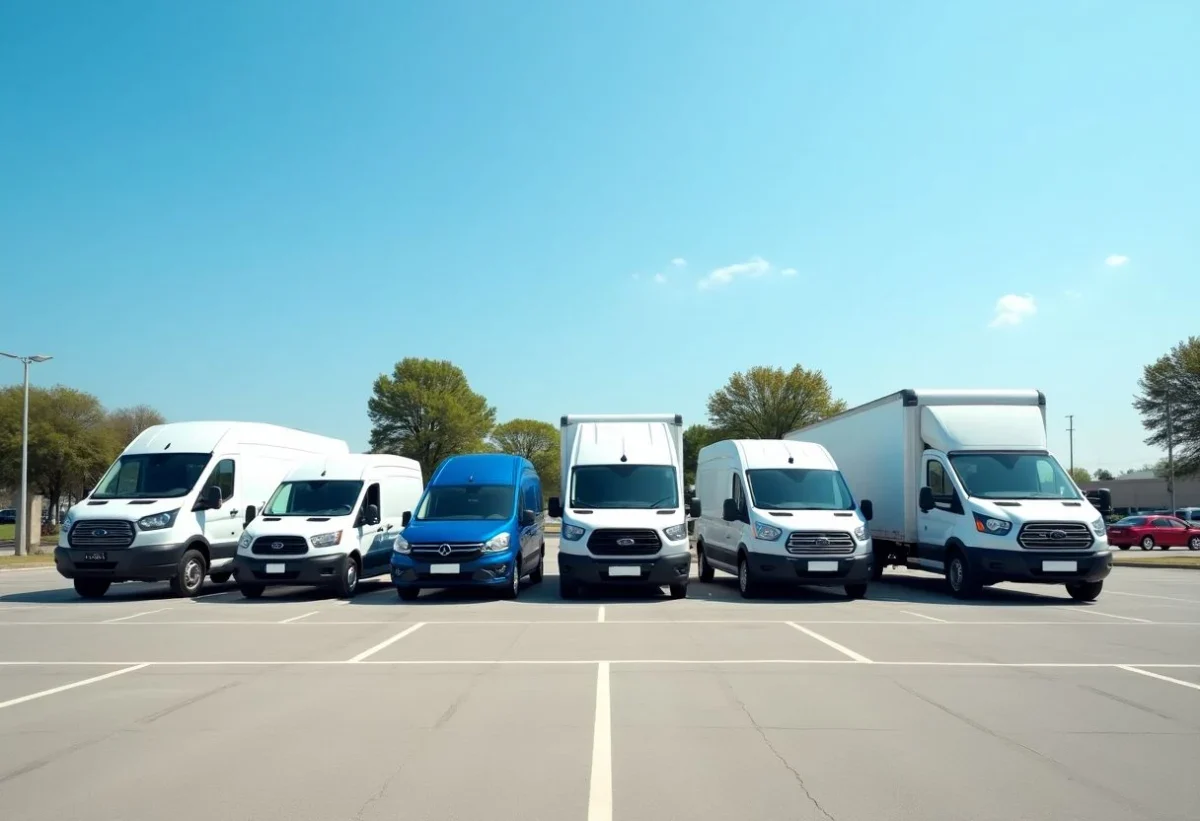
Fleet management has become a strategic issue for modern businesses. Company vehicles are not just a means of transportation, but also a major investment. Effective management helps reduce costs, ensure driver safety, and optimize operations. As companies seek to improve their competitiveness, the efficiency of their fleet management becomes a key differentiator. Mastering this art requires a deep understanding of technological tools, sustainable practices, and maintenance strategies. How can a fleet be transformed into a high-performing asset?
Technology in Fleet Management
Technological innovations are profoundly transforming the fleet management sector. Companies must adapt quickly to remain competitive and take advantage of these advancements.
Geolocation systems have become essential. They allow real-time tracking of vehicles, optimizing routes and reducing downtime. Companies can thus significantly reduce fuel costs and improve efficiency. Furthermore, predictive maintenance, another remarkable innovation, uses sensors to forecast breakdowns before they occur. This reduces downtime and extends the lifespan of vehicles.
Mobile applications simplify communication between fleet managers and drivers. They facilitate the transmission of essential information such as route updates or maintenance alerts. These digital tools, thanks to their power and flexibility, have become indispensable for optimized fleet management.
Sustainability: A Pillar of Modern Management
In a context where environmental responsibility is at the heart of concerns, companies are increasingly committing to sustainable fleet management.
- Reduction of carbon footprint: The adoption of electric and hybrid vehicles is on the rise. They offer an eco-friendly alternative to fossil fuel vehicles, thus helping to reduce the carbon footprint of companies.
- Driver training: Eco-driving training raises drivers’ awareness of practices that minimize fuel consumption and pollutant emissions.
- Route optimization: Thanks to sophisticated planning tools, managers can reduce unnecessary trips, thus saving fuel while decreasing environmental impact.
These initiatives not only respond to environmental imperatives but also allow for substantial long-term savings.
Safety: An Undeniable Priority
The safety of drivers and vehicles is an essential aspect of fleet management. Minimizing risks and protecting company assets are central elements to consider.
Regular training plays a crucial role. It ensures that drivers are prepared to face various situations on the road. Companies also invest in advanced technologies such as driver assistance systems and onboard cameras. These devices alert drivers to potential hazards, thereby reducing accidents.
Analyzing driving data is another crucial element. By examining driving behaviors, managers can identify trends, anticipate risks, and implement corrective measures. The importance of safety in fleet management cannot be underestimated, as it directly impacts the company’s reputation and profitability.
Innovation and Performance: The Future of Fleet Management
The challenges of tomorrow push companies to innovate continuously. As technologies evolve, fleet management is reinventing itself, integrating new practices and tools to stay at the forefront.
Big data is transforming the way we manage fleets. By analyzing this information, companies can make informed decisions, improve operational efficiency, and anticipate future needs. Autonomous fleets are also beginning to emerge. While they are not yet a common reality, their potential cannot be overlooked. They promise to revolutionize the sector by improving safety and reducing costs.
Finally, the customization of services is becoming a strong trend. Offering tailored solutions, adapted to the specific needs of each company, allows for differentiation in an increasingly competitive market.