The interior decoration market in France is evolving under the influence of several simultaneous dynamics: the search for sustainable materials, the return of second-hand items as a distinguishing criterion, and the adaptation of spaces to the actual uses of residents. Decorating trends to transform one’s interior are no longer limited to a choice of colors or furniture. They reflect concrete trade-offs between comfort, material longevity, and room flexibility.
Flexibility of interior spaces: a layout criterion before being a decorating trend
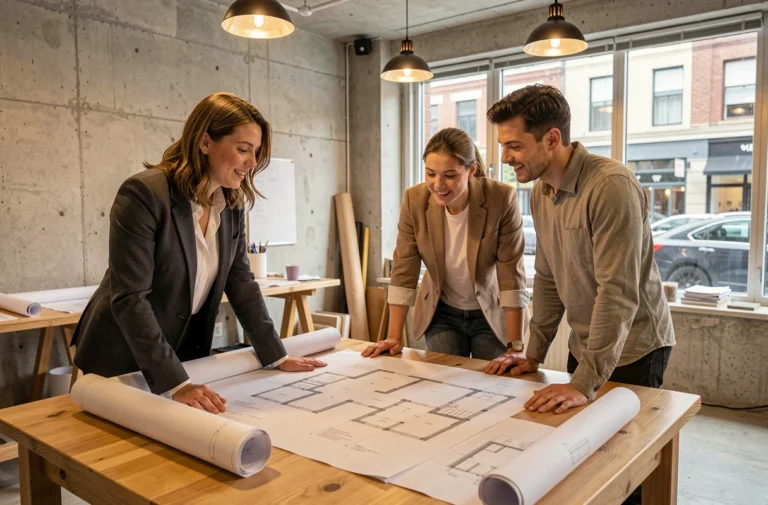
More and more households are rethinking the very function of their rooms before considering style. The demand is for spaces that can adapt to different stages of life.
This flexibility is not only about remote work. It also addresses aging at home and the cohabitation of multiple generations under one roof. An office that becomes a guest room, a modular living room to accommodate an elderly parent: the layout is conceived based on life changes, not just style.
For concrete inspiration on this type of layout, 100,000 Watts’ decorating ideas regularly explore configurations suited to evolving interiors.
In practice, this involves multifunctional furniture, removable partitions, or integrated storage that frees up floor space. Choosing an extendable table or a convertible sofa is less about an aesthetic trend and more about daily usage calculations.
Second-hand furniture and reuse: between desirability and regulatory framework
The appeal of second-hand furniture goes beyond price. A report by Livingetc published in October 2026 describes provenance, patina, and uniqueness as increasing desirability criteria in decoration projects. Hunting for an antique piece or salvaging an industrial item introduces a singularity that standardized new products do not offer.
This trend is part of a broader movement. In France, the reuse of construction and renovation materials is gradually being regulated. The PEMD (products, equipment, materials, and waste) diagnosis is required for certain demolitions and significant renovations exceeding regulatory thresholds. It serves to identify elements that can be reused before destruction.
This system mainly concerns heavy work, not just a simple decorative refresh. The regulations also set a goal regarding furniture and interior layout by 2030, with increasing requirements for reuse in public procurement.
What this changes for a domestic decoration project
For individuals, the regulations do not impose anything directly. The effect is indirect: the supply of reused furniture and materials is becoming structured, the sectors are professionalizing, and guarantees on these products are beginning to clarify.
The ten-year guarantee, for example, remains an open issue when integrating reused materials into renovation work. Coverage of these cases by insurers varies according to contracts and situations, which hinders some artisans.
Natural materials and warm colors: what the 2026 decorating trends retain
Wood, linen, ceramics, rattan: natural materials remain at the center of interior decoration choices. Their persistence from season to season is explained by their ability to age without going out of style. A solid oak tabletop or a woven rattan light fixture transcends trends because they do not depend on seasonal colors.
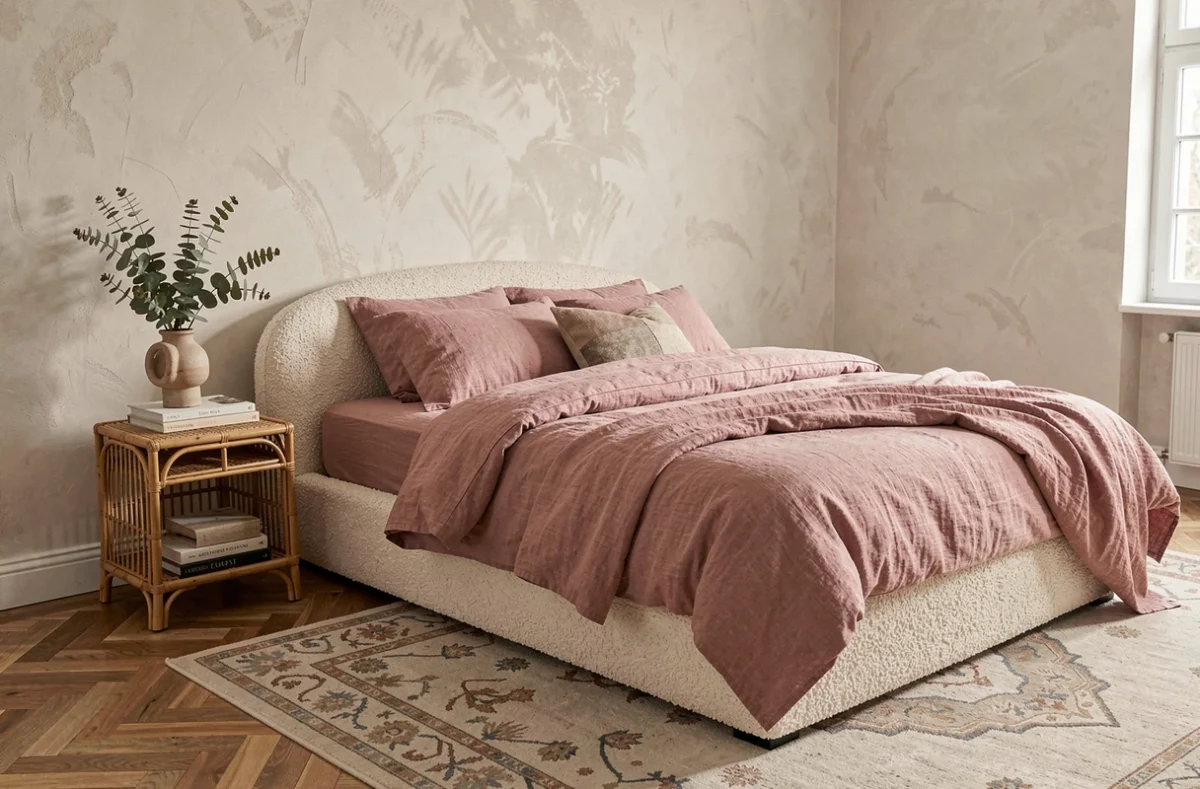
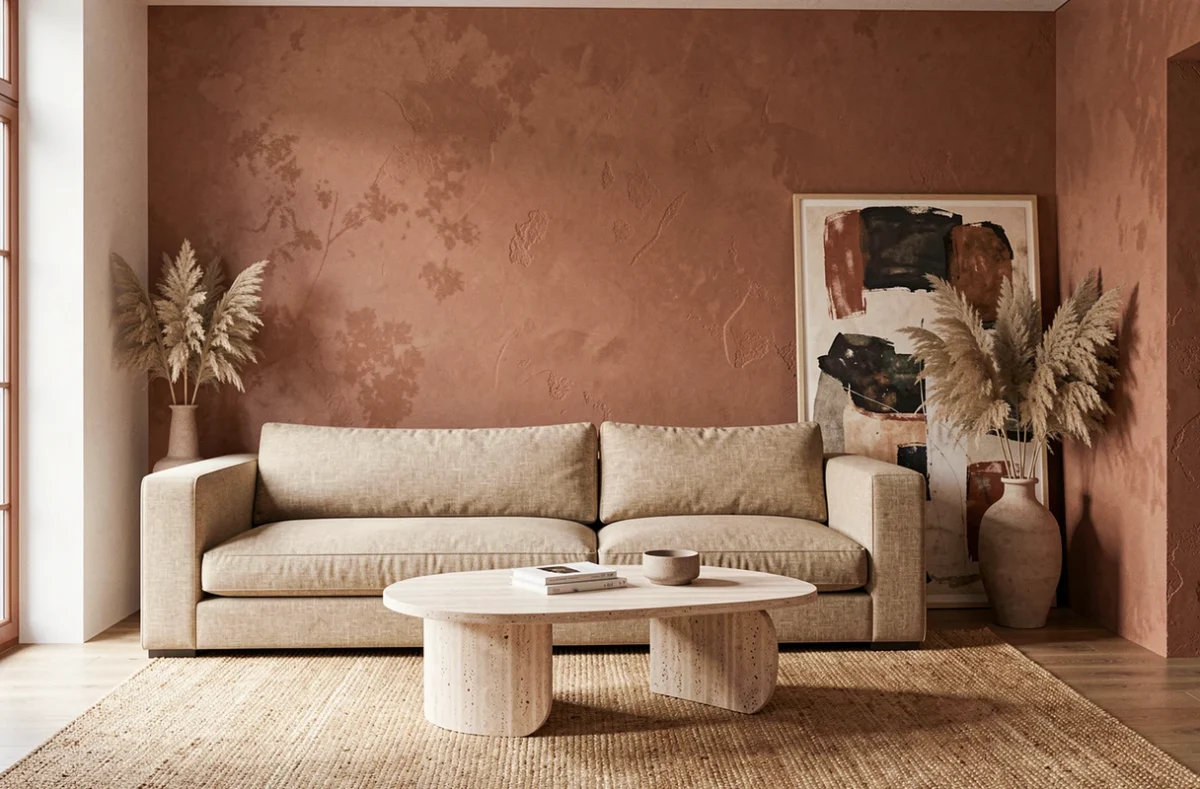
In terms of colors, the palettes for the fall of 2026 confirm the dominance of warm shades. Beige, sand, terracotta, ochre: these tones create an enveloping atmosphere without saturating the space. Deep blues and greens appear as a counterpoint, often on an accent wall or a statement piece of furniture.
- Terracotta and ochre work particularly well with light wood and raw linen in north-facing rooms where natural light is lacking.
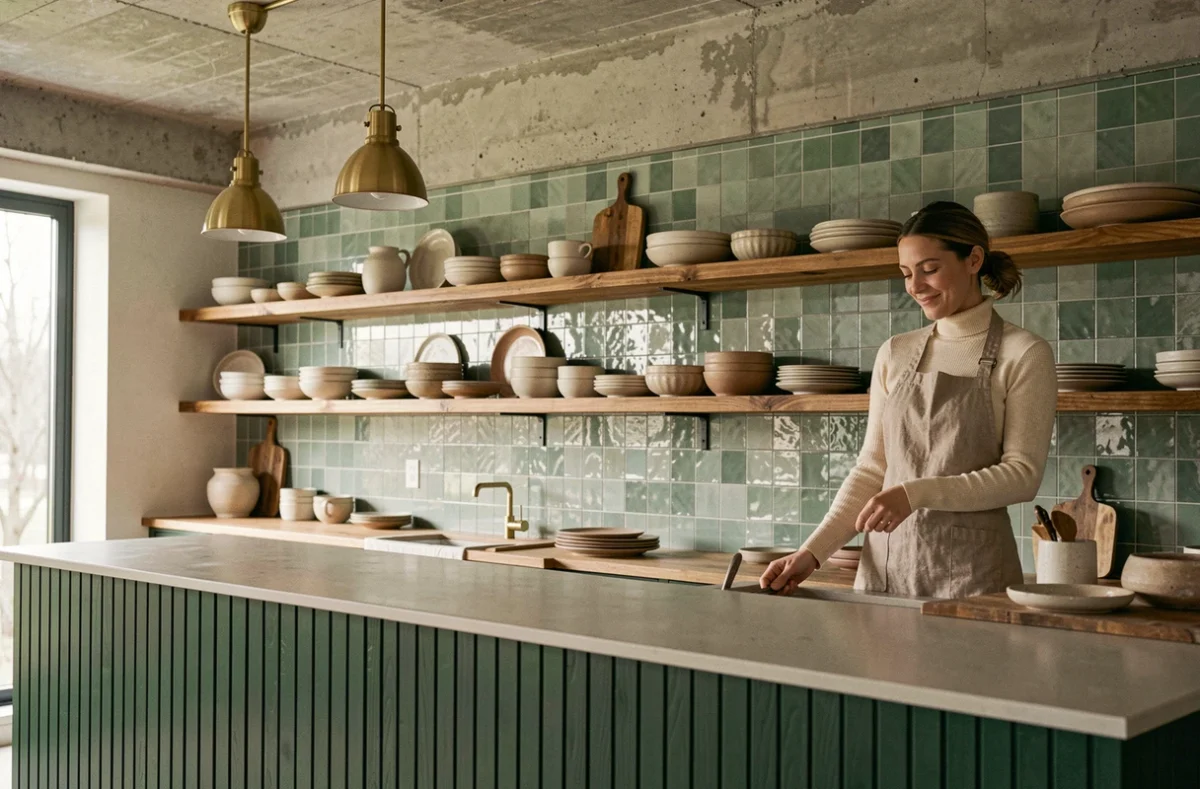
- Sage or olive greens add visual depth to open spaces like living-kitchens, especially when paired with raw materials like stone or polished concrete.
- Purple shades, noted by several sources as an emerging color, require precise dosing: an armchair, a cushion, rarely an entire wall, lest it visually close off the room.
Combining materials and colors without falling into total look
The recurring trap of decorating trends is uniform application. An interior entirely in terracotta and rattan produces a catalog effect. The combination benefits from integrating a dissonant element: a black metal table amidst organic materials, a graphic textile in a neutral-toned living room.
The controlled contrast between a raw material and a contemporary object creates the visual tension that makes a space personal. This is precisely what second-hand furniture allows, by introducing a piece with a different history from the rest.
Interior design and lifestyle: why trends are not enough
Following the decorating trends of 2026 does not guarantee a successful interior. A space works when it corresponds to the actual habits of its occupants. A family with young children has different needs than a couple in an urban apartment, even if both may appreciate solid wood and sandy hues.
The right trade-off is to choose two or three trendy elements compatible with one’s lifestyle, rather than completely redesigning a room based on a mood board. Replacing textiles, adding a light fixture, hunting for a seating option: these targeted actions transform an interior without engaging in heavy work or excessive budgeting.
Sustainable materials and reused furniture share a common advantage: they withstand the test of time. An interior designed to last absorbs changes in taste without requiring a complete overhaul each season.