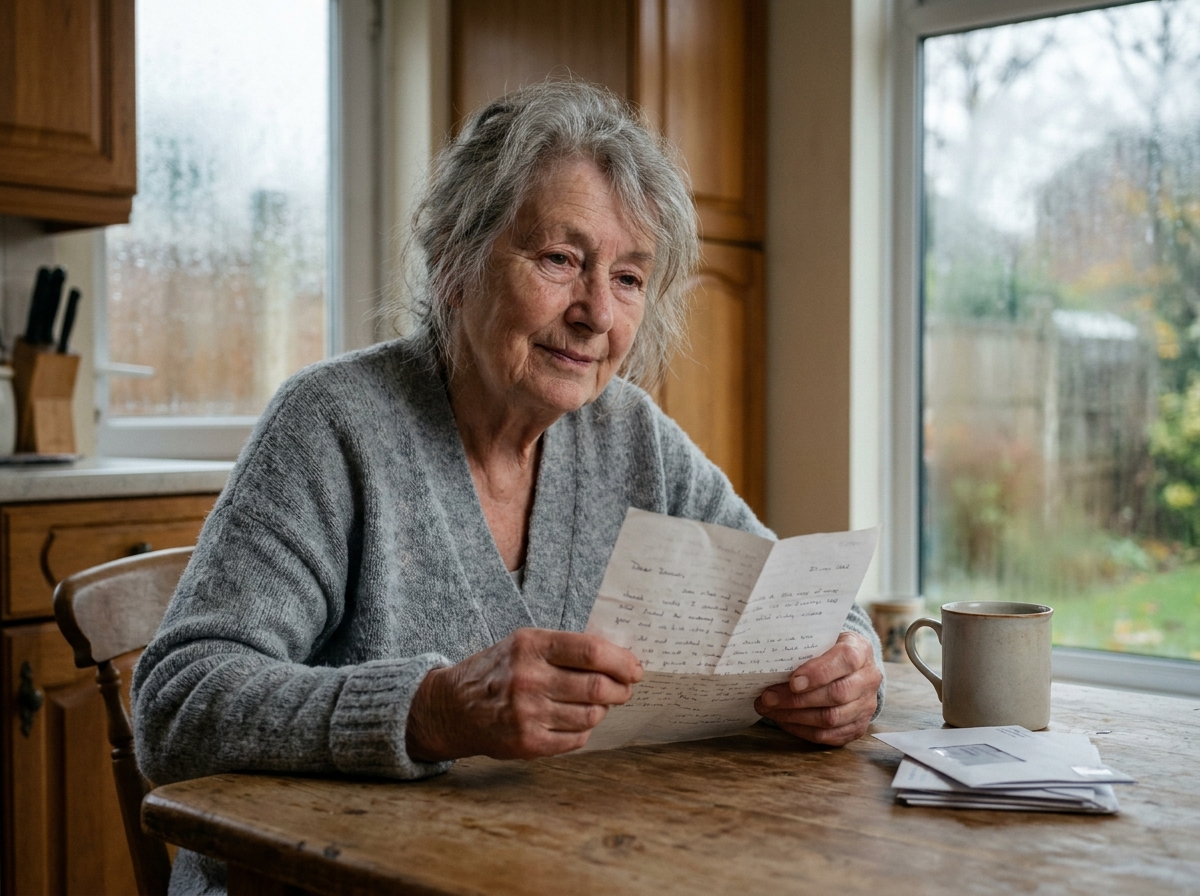
After the loss of a loved one, the days seem to blend together without really following one another. Grief settles in, administrative tasks pile up, and the words of others oscillate between clumsiness and awkward silence. In this fog, a simple gesture can create a breakthrough: writing or receiving a letter. Not a form, not a generic message, but a few sincere lines written on paper.
Handwritten letters in the face of grief: why writing touches differently
Have you ever noticed that a condolence text, even well-intentioned, quickly gets lost in the stream of notifications? The problem is not the sincerity of the sender. It’s the medium itself that trivializes the message.
A handwritten letter works differently. It requires time, a choice of words, a physical effort. The person receiving it perceives this effort. They can reread the letter weeks later, keep it in a drawer, and return to it when the pain resurfaces.
Writing creates a lasting point of contact with the bereaved person. Hospital and palliative care programs actually incorporate letters and cards into their support systems for families. These letters are not mere formalities: they nourish a sense of social connection that helps navigate the ordeal.
Sending a thank you card for a death follows this same logic, but from the perspective of the bereaved family this time. Thanking those who were present, in writing, helps to prolong the bond instead of letting it stretch thin after the funeral.

Writing after a death: what the letter does for the sender
We often talk about the effect of the letter on the recipient. We forget what it produces in the one who writes it.
Putting words to the loss helps structure still-confused emotions. This is not a literary exercise. It is a concrete gesture that forces one to slow down, to articulate what they feel, to name a specific memory of the deceased.
For the grieving family, writing thank you letters serves a similar function. It gives a framework to gratitude, transforming a diffuse feeling into action. After days spent enduring events (the procedures, the formalities, the organization of the funeral), writing becomes a voluntary act again.
What makes the exercise difficult
The difficulty is not technical. It is emotional. Finding the right words when grief is still fresh requires an effort that can seem insurmountable. Two obstacles often arise:
- The fear of saying the wrong thing, of appearing too formal or too distant, especially when writing to a loved one who is suffering.
- The impression that nothing will measure up to the other person’s pain, which leads to not writing anything at all.
- The fatigue associated with grief itself, which makes every task, even simple ones, exhausting.
Better to write three clumsy lines than to remain in prolonged silence. Sincerity matters more than eloquence.
Condolence letter or thank you card: when and how to choose
These two types of letters respond to different moments in the grieving process. Confusing them means missing their function.
The condolence letter
It is addressed to the bereaved person in the days following the death. Its role is to express presence and compassion. A personal memory of the deceased is worth more than a ready-made phrase.
Recalling a shared moment, a character trait, an anecdote: this type of detail proves that the deceased also mattered to someone else. This is what touches, far more than an impersonal “sincere condolences.”
The thank you card after the funeral
This comes later, once the ceremony has passed. The family thanks those who sent flowers, attended the funeral, or simply checked in. This letter marks a step: it signals that life goes on, even if the pain remains.
The format can vary. Some families choose a simple card with a few handwritten words. Others prefer a longer text that evokes the memory of the deceased. Both are legitimate.
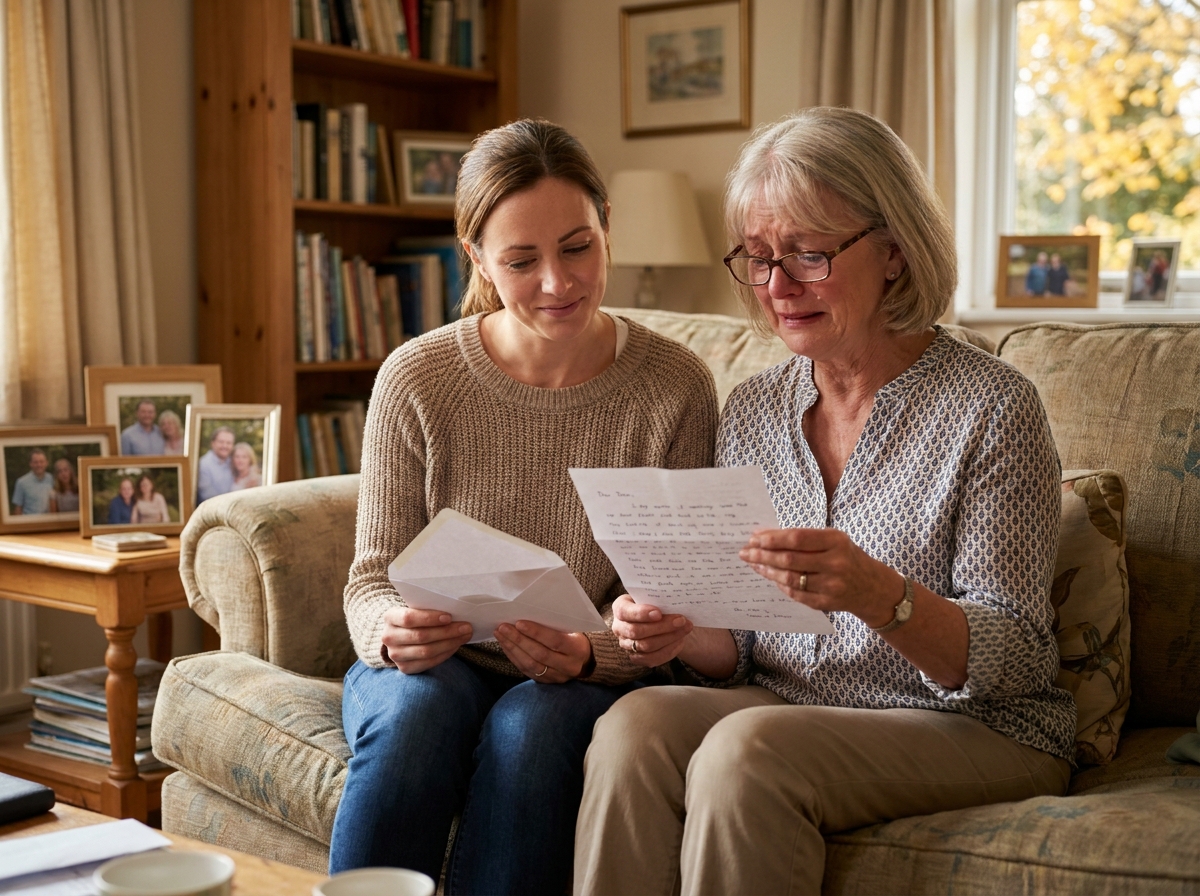
Writing a letter of grief: practical tips to avoid getting stuck
Why do some letters touch while others leave people indifferent? The difference rarely lies in literary quality. It lies in precision.
- Name the deceased by their first name rather than remaining in abstraction (“your mother,” “the deceased”).
- Share a specific memory: a meal, a conversation, a gesture that characterized the person.
- Avoid phrases that minimize the loss (“he’s in a better place,” “time heals all”). These phrases, even well-meaning, can hurt.
- Offer concrete help rather than a vague “don’t hesitate to call.” For example: “I can pick up the kids on Tuesday if you need.”
A useful letter is a specific letter. The more it is rooted in the reality of the relationship, the more weight it will carry for the person reading it.
The timing also matters. A letter received three weeks after the death can touch just as much, if not more, than a message sent on the same day. After the initial shock, loneliness sets in. Receiving a note at that moment reminds the bereaved that someone is still thinking of the deceased.
Writing does not erase the pain. No letter will bring back a loved one. The letter acts on something else: the feeling of not being alone in facing the loss. In the weeks and months following a death, this is sometimes what one needs the most.