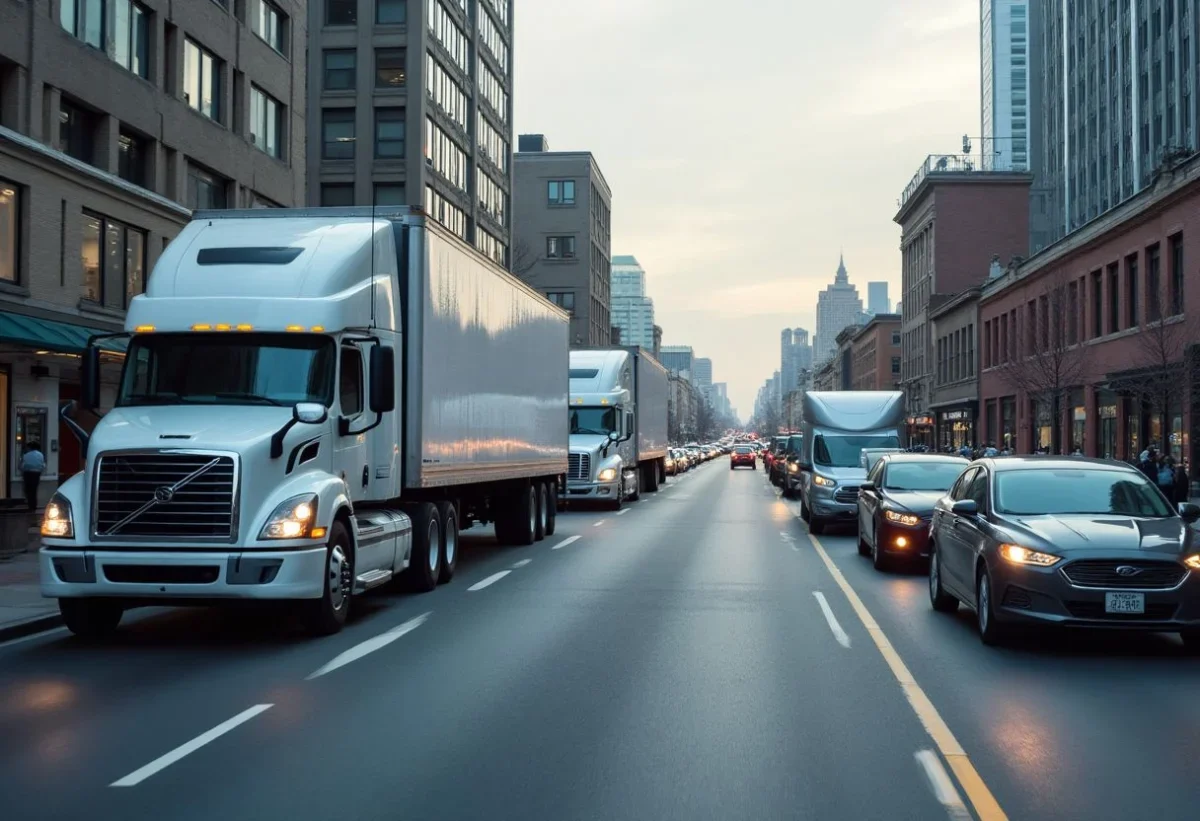
Optimizing fleet management is a major challenge for modern companies eager to maximize their resources and reduce operational costs. The mobility of teams, vehicle maintenance, and driver safety are central elements to master in order to achieve this goal. Effective management of the vehicle fleet transforms a cost center into a strategic asset for the company. The optimization of operations related to the vehicle fleet, coupled with appropriate technology, plays a determining role in improving the overall performance of the company while promoting an eco-responsible approach and compliance with current regulations.
The foundations of effective fleet management
To ensure optimal management, it is essential to understand the basics of fleet management and adopt proven strategies.
First, a well-defined management policy includes the selection of vehicles suited to the specific needs of the company. Choosing between purchase, rental, or leasing, depending on financial and operational forecasts, proves to be crucial.
Next, implementing procedures for preventive maintenance ensures the longevity of the fleet and the safety of users. Regular checks and monitoring of repairs prevent costly breakdowns and service interruptions.
Finally, integrating technological solutions, such as geolocation systems and telematics, provides increased visibility into vehicle usage. This allows for effective management of routes, monitoring of driving behaviors, and ensuring compliance with internal policies.
The benefits of digitized management
In the digital age, technological tools transform fleet management by bringing significant benefits.
- Real-time tracking: Vehicle geolocation offers immediate visibility, allowing for smarter resource allocation.
- Cost reduction: Data analysis facilitates route optimization and fuel management, generating substantial savings.
- Improved safety: Alert systems and reports on driving behaviors enhance the safety of drivers and transported goods.
The integration of these digital solutions into daily operations enriches the efficiency and responsiveness of the teams in charge of the vehicle fleet.
The challenges to overcome
Despite its many benefits, fleet management also presents challenges that need to be prepared for.
- Adaptation to new technologies: Workers must be trained to effectively use digital tools and adapt to technological innovations.
- Regulatory compliance: Laws on road safety and environmental standards are constantly evolving, necessitating continuous monitoring and updating of practices.
- Management of costs: Although technology offers financial advantages, it also involves significant initial investments that must be managed prudently.
Anticipating these challenges ensures that fleet management remains a positive force for the company.
The role of human resources
Human resources play a central role in fleet management by ensuring coordination and training of teams.
Training drivers on new technologies and raising awareness of the importance of safety and eco-driving is essential. Encouraging a culture of responsibility reduces the risks of accidents and associated costs.
Regular communication between fleet managers and drivers fosters continuous improvement of internal practices. User feedback allows for real-time adjustments to management policies.
Motivating teams through incentives for responsible driving and high performance is an effective lever for achieving set objectives.