Finding where to sleep each night during several months of long-term travel requires a methodical approach that goes beyond simply choosing a booking platform. Accommodation solutions for world travelers have diversified, but this abundance of options comes with concrete pitfalls: scams involving fake listings, local regulations that restrict short-term rentals, and logistical constraints that traditional guides rarely address.
Accommodation booking scams: signals to check before paying
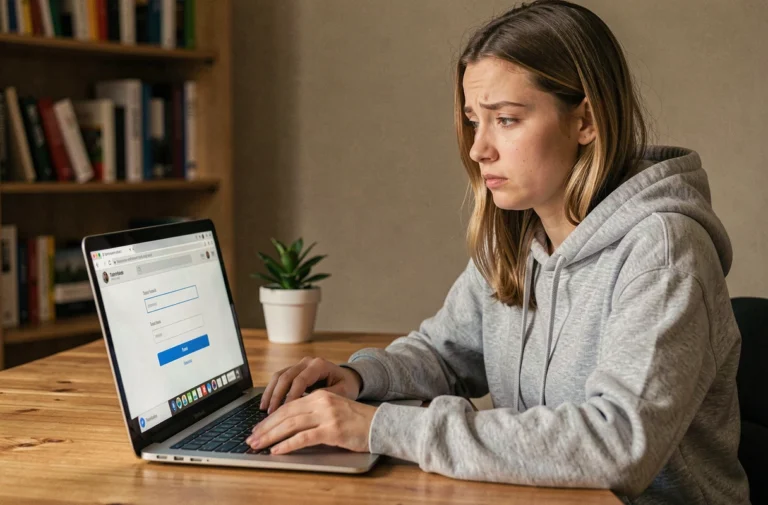
Frauds targeting travelers who book accommodation online have multiplied in recent years. Among the most common mechanisms, the first signal is a request for payment outside the official platform: direct bank transfer, a link to a third-party site, or a message inviting you to re-enter your banking details on an external page.
An abnormally low price compared to the local market is another reliable indicator. Identical photos reused across multiple listings, sometimes in different cities, also betray a fabrication. Ground reports vary on the reliability of verification systems integrated into platforms, making manual checks necessary.
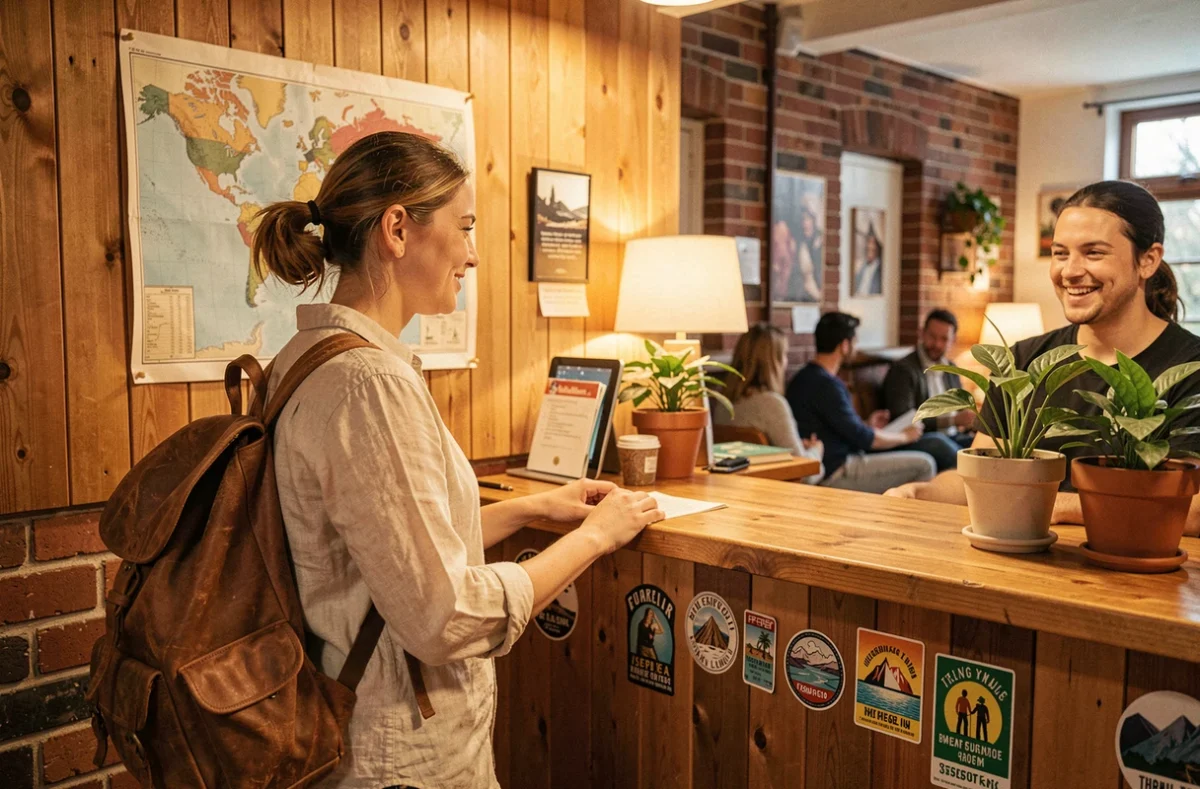
Before confirming a booking, cross-check the displayed address with a satellite view, check for recent reviews, and search for the official number of the establishment (when it comes to a hotel or guest house) to significantly reduce the risk. For those planning their itinerary, the accommodation options on the Tour du Monde site allow for comparing formulas suitable for long-term travel.
Short-term rental regulations: what changes for world travelers
Most accommodation guides for world travelers focus on value for money without mentioning a factor that has become crucial: the legality of the listing booked in the relevant city. Several major cities have tightened their rules on short-term rentals in recent years, and a European project is considering additional restrictions in so-called tight areas.
In practice, a listing visible on a booking platform is not necessarily legally exploitable. Some cities impose a maximum number of nights per year, while others require specific registration of the accommodation. For travelers, the consequences range from last-minute cancellations (the owner having exceeded their quota) to the inability to assert a claim in case of problems.
Checks to integrate into your booking routine
- Check if the destination city requires a registration number for tourist rentals, and verify its presence on the listing.
- Consult reviews dated within the last three months to ensure that the accommodation is still active and matches its description.
- Prefer platforms that clearly display cancellation policies and offer mediation services in case of disputes.
This vigilance adds a few minutes to each booking, but it prevents situations where travelers find themselves without accommodation in an unfamiliar city, sometimes at late hours.
Home exchange during a world tour: an expanding option with concrete limits
Home exchange has long been seen as a niche reserved for European families on summer vacations. This option is now experiencing significant growth and attracting profiles of long-term travelers. The principle is simple: swap your own accommodation for that of another member of the network, in another country, without any financial transaction for the night.
For a world tour, this approach can substantially reduce the accommodation portion of the overall budget. Feedback published by users mentions stays of several weeks in well-equipped houses or apartments, in cities where the price of a hotel would have heavily impacted finances.
The constraints that platforms do not highlight
The first limit is structural: you need to have accommodation to offer in exchange. A traveler who has terminated their lease before leaving cannot use this option. The second is calendar-related. Availability must coincide between both parties, which complicates planning a flexible itinerary.
The trust factor remains a barrier for some travelers. Entrusting your home to a stranger for several weeks requires a level of psychological comfort that not everyone shares. Platforms offer guarantee systems and identity verification, but their ability to cover serious damage varies depending on the operators and the general conditions applied.

Accommodation budget for a world tour: balancing comfort, safety, and flexibility
Accommodation generally represents the first or second largest expense of a long-term trip, depending on the destination and travel style. Price differences between countries are such that the same monthly budget offers radically different services depending on the stages of the itinerary.
In Southeast Asia, backpacker-type hotels remain accessible for a few euros a night. In contrast, in high-cost countries (Australia, Japan, Scandinavia), accommodation can absorb the majority of the daily budget. Alternating between free options (home exchange, house sitting, staying with locals through trusted networks) and paid nights in cheaper areas allows for smoothing expenses over the duration of the trip.
- Set a spending cap per stage rather than a global monthly budget, to account for price differences between countries.
- Book free or very economical options for destinations where the cost of living is highest.
- Keep a margin for unforeseen events: cancellations, scams detected too late, or itinerary changes imposed by local circumstances.
The temptation to always book the cheapest option exposes travelers to disappointments regarding safety or minimal comfort. An accommodation at a very low price in an isolated area, without recent reviews or a verifiable address, presents a risk profile that experienced travelers learn to identify. Cross-referencing price, location, and the traceability of the listing remains the most reliable method to balance between the available options at each stage of the journey.