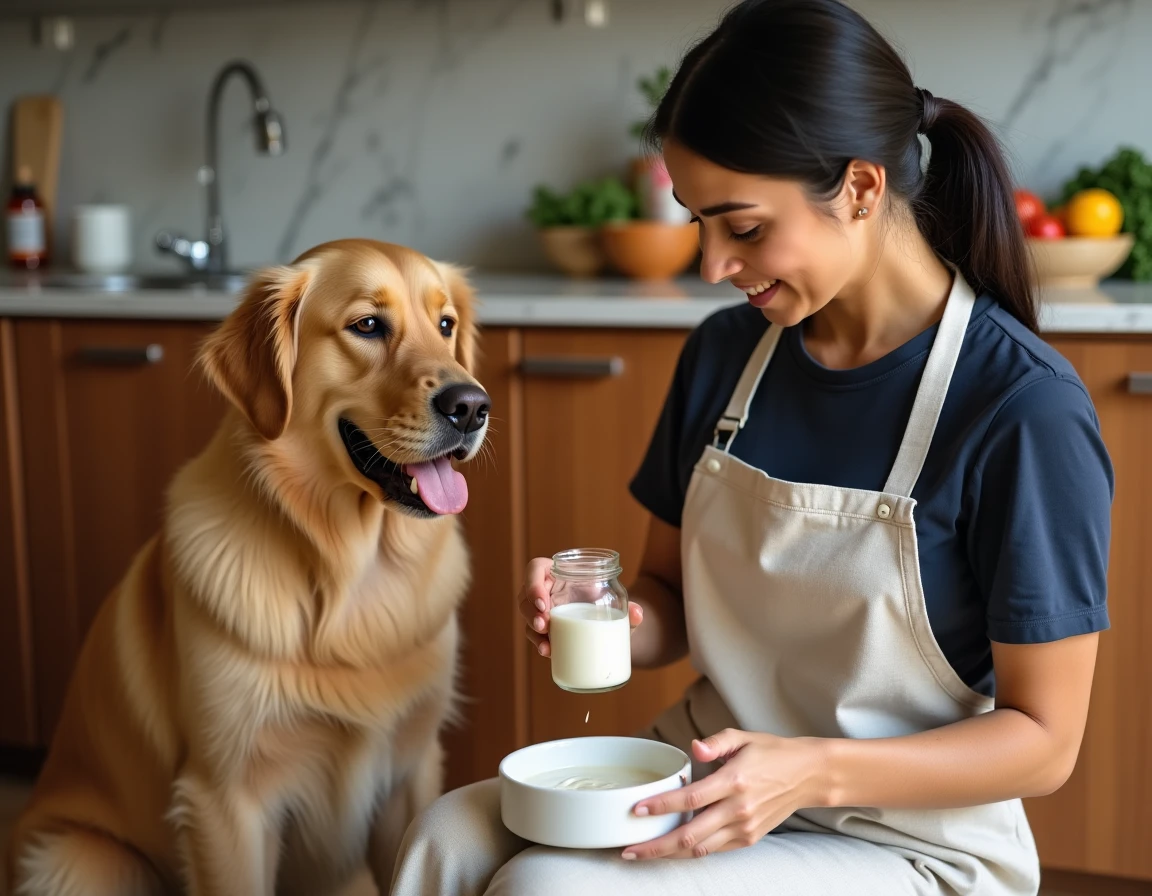
The intestinal flora of dogs, or digestive microbiota, consists of billions of bacteria spread from the stomach to the colon. When this ecosystem is disrupted, the consequences go beyond simple digestive issues: diarrhea, decreased immunity, chronic fatigue. Several approaches can help restore this balance, but not all are equal, and some popular practices raise safety questions that are rarely addressed.
Popular natural remedies for canine microbiota: what veterinary nutritionists say
Garlic, pure apple cider vinegar, or essential oils frequently appear in online recommendations for restoring a dog’s intestinal flora. These ingredients are appealing due to their accessibility and their image as healthy products.
However, veterinary nutritionists advise against their unregulated use. Garlic, even in small repeated amounts, has recognized toxicity in dogs due to sulfur compounds that damage red blood cells. Essential oils can irritate the digestive mucosa, and pure apple cider vinegar alters gastric acidity without demonstrated benefits on the microbiota.
These products do not have the same level of scientific evidence as validated veterinary probiotics. They can also interact with ongoing medication treatments. A natural remedy is not automatically risk-free for a dog, and this nuance is often missing in the majority of guides available online.
For those looking to naturally restore the intestinal flora of their dog, the first step remains distinguishing documented solutions from unfounded recipes.
Probiotics, prebiotics, and postbiotics: three distinct levers for dog digestion
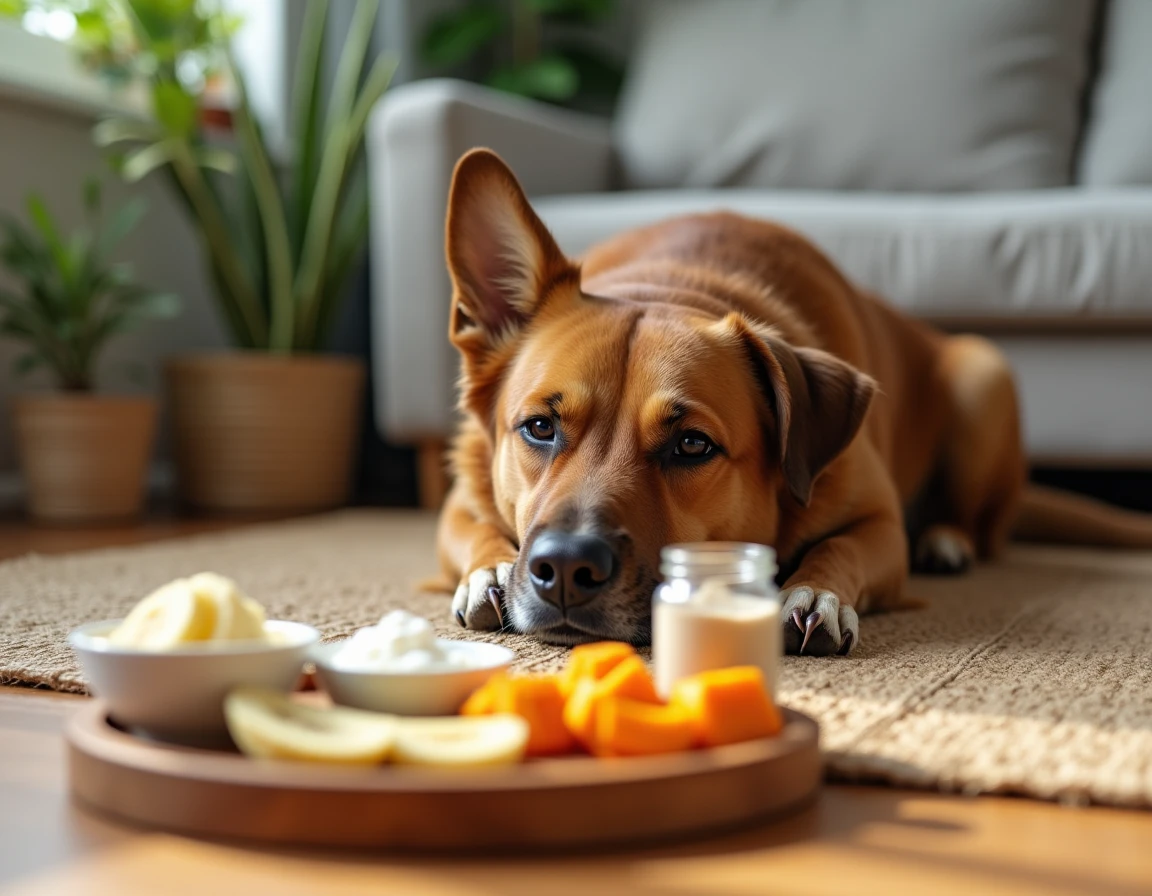
The confusion between these three categories is common. They act on the intestinal microbiota in complementary ways, but through different mechanisms.
Probiotics are live microorganisms that, when ingested in sufficient quantities, temporarily colonize the intestine and help break down food. Their effectiveness depends on the strain used, the dose, and the viability of the product at the time of ingestion. A poorly stored probiotic can be completely inactive.
Prebiotics, on the other hand, do not contain bacteria. They are fermentable fibers (inulin, fructo-oligosaccharides) that nourish the bacteria already present in the dog’s colon. By stimulating the growth of beneficial populations, they create a favorable environment for rebalancing.
Postbiotics represent a recent trend in canine nutrition. These are metabolites produced by bacteria, used in stabilized form in supplements or foods. Field veterinarians have observed an increase in their use in recent years, especially in very fragile dogs. The main advantage: these products do not require a cold chain and are better tolerated by animals with already irritated digestive systems.
- Probiotics provide live bacteria but require strict storage conditions to remain effective
- Prebiotics (fermentable fibers) feed the good bacteria already established in the dog’s intestine
- Postbiotics, more stable and easier to dose, are suitable for sensitive animals or those undergoing treatment
The combination of the three, sometimes referred to as a synbiotic approach, yields the most favorable feedback in veterinary clinics. The available data do not allow for a conclusion that a single lever is sufficient in all cases.
Intestinal flora and athletic dogs: an unknown protocol
Dogs participating in agility, canicross, or ring sports are prone to specific digestive issues related to exertion. Stress-related diarrhea and soft stools post-competition, sometimes referred to as “effort poop,” are recurring problems that general content rarely addresses.
In canine sports clinics, microbiota protocols adapted to intense physical effort are being developed. They combine more precise deworming (tailored to the competition schedule), the addition of fermentable fibers to the daily ration, and targeted probiotic courses before periods of high activity.
The stress of competition triggers a release of cortisol that accelerates transit and disrupts the intestinal mucosa. Anticipating this reaction by supporting the microbiota in advance, rather than treating symptoms afterward, significantly improves the animal’s comfort.
Field feedback varies on this point: some sports trainers report clear improvements within weeks, while others see no significant difference. The individual stress level of the dog seems to play a determining role in the response to the protocol.
Warning signs and limits of the natural approach
A temporary imbalance in the microbiota (after a dietary change, antibiotic treatment, or a stress episode) is often corrected with appropriate prebiotics or probiotics. The classic signs are well-known:
- Persistent diarrhea or constipation lasting more than two days
- Excessive flatulence accompanied by visible bloating
- Loss of appetite or changes in stool texture
- Dull coat or recurrent itching, sometimes related to a disruption of the intestinal immune system
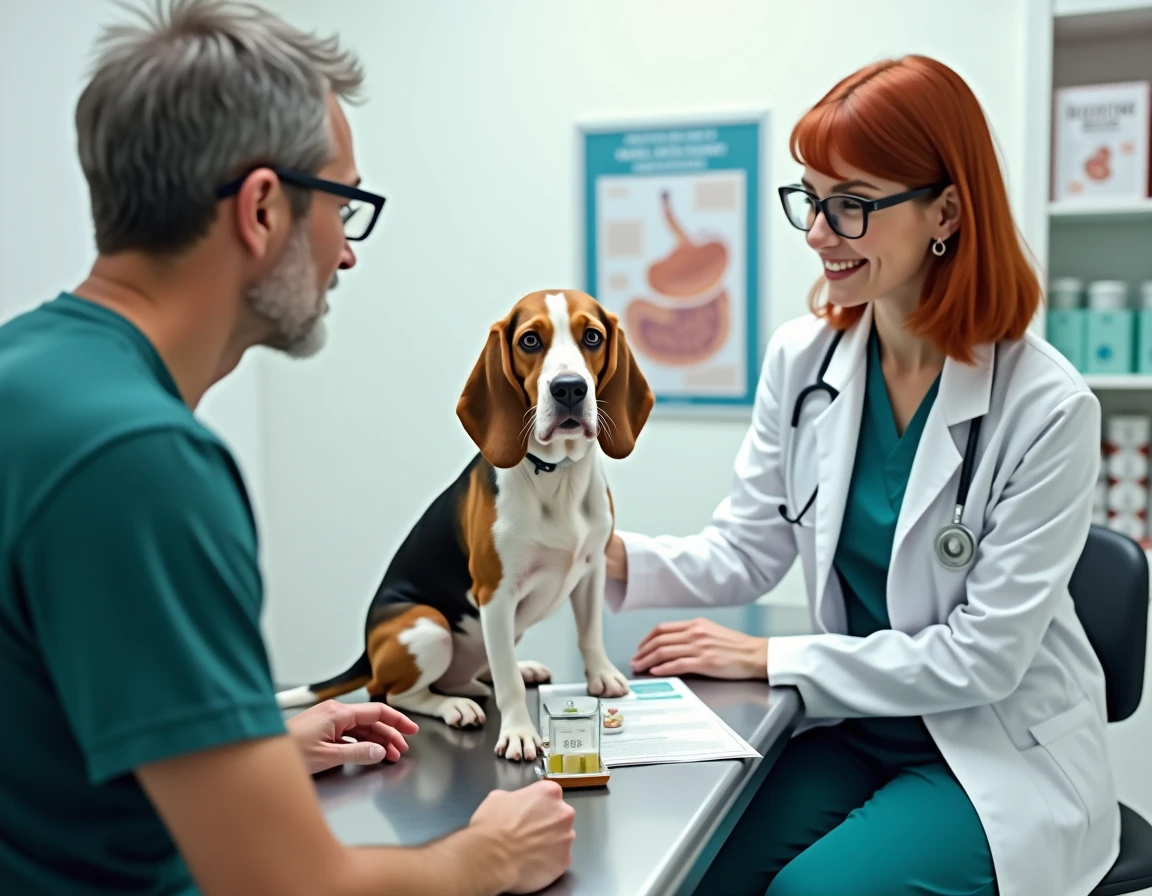
When these symptoms last more than a week despite dietary adjustments, the natural approach reaches its limits. A veterinary consultation allows for ruling out an underlying pathology (pancreatic insufficiency, chronic inflammatory bowel disease, parasitosis) that requires specific treatment.
A probiotic does not replace a diagnosis. Administering supplements without identifying the cause of the imbalance amounts to masking a signal that the animal’s body is sending. Diet plays a foundational role: a balanced ration, with sufficient water and fiber intake, forms the basis upon which any microbiota restoration protocol relies.
The quality of drinking water, rarely mentioned, also influences digestive comfort. Water that is too chlorinated or contaminated can maintain irritation of the intestinal mucosa, rendering any otherwise well-chosen supplementation ineffective.