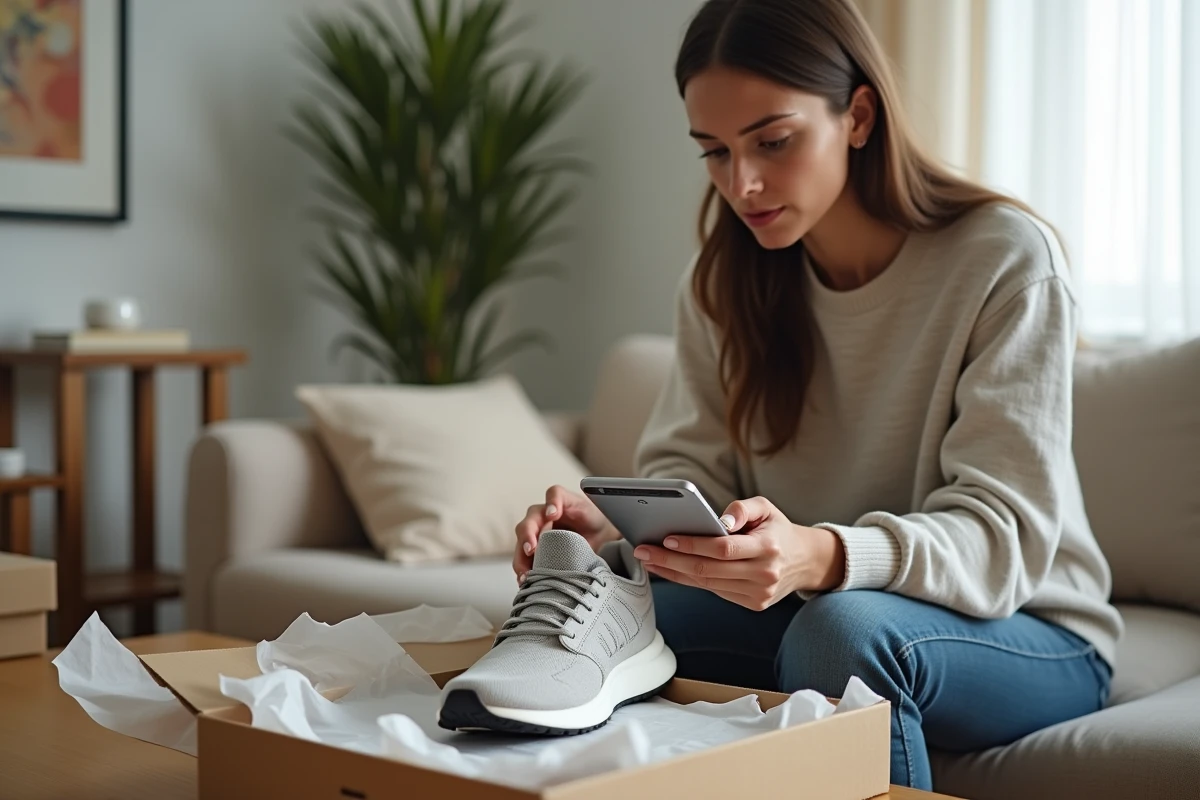
You have just received a Zalando package and one detail catches your eye: a slightly different seam, a misaligned label, packaging that is less neat than expected. This doubt is shared by thousands of buyers each year on forums. The question deserves a clear answer, based on the actual functioning of the platform rather than impressions.
Direct seller and third-party seller on Zalando: a distinction that changes everything
The majority of questions about authenticity on Zalando stem from confusion. Two sales channels coexist on the same platform, and the level of risk is not the same.
The first channel is direct sales. Zalando purchases stock from the brand or its authorized distributor, stores it in its own warehouses, and ships it. In this case, the supply chain is short and controlled.
The second channel goes through the partner program (Zalando Partner Program). Brands like Hugo Boss, Puma, or Adidas have been participating directly for a few years. They manage their own catalog and stock, with Zalando serving as a showcase. For these brands in direct partnership, the risk of counterfeiting is almost non-existent since the product comes directly from the brand itself.
Confusion arises with third-party sellers who are not the original brand. The product listing always indicates the seller’s name. If you read “sold and shipped by Zalando,” you are on the first channel. If another name appears, check if it is the official brand or an external reseller. Those who wish to delve deeper into the question of Zalando counterfeits or authentic products will find a complete breakdown of the platform’s mechanisms.

Digital Services Act: what European regulation imposes on Zalando
Since the implementation of the Digital Services Act (DSA), very large online platforms are subject to enhanced obligations regarding the fight against illegal products, including counterfeits. Zalando is among the platforms concerned.
Specifically, the DSA requires the establishment of reporting mechanisms accessible to users, processing notifications within set timeframes, and publishing transparency reports on actions taken. Zalando has strengthened its “brand protection” system with increased use of artificial intelligence to detect high-risk third-party sellers.
This regulatory obligation changes the game compared to the situation a few years ago. The platform no longer acts solely out of commercial goodwill: it is legally required to actively monitor the products offered by its partner sellers.
Concrete signals to spot a suspicious item on Zalando
Do you have doubts about a product received? A few checks can quickly clarify the situation.
- Compare the inner label of the garment (composition, country of manufacture, lot number) with the information available on the brand’s official website. A blurry label, poorly cut, or with spelling mistakes is a warning sign.
- Check the quality of the finishes: even seams, smooth zippers, clear logos. Counterfeits often have visible defects to the naked eye when you know where to look.
- Inspect the packaging. A branded product sold directly by Zalando or through the Partner Program generally arrives in packaging that meets the brand’s standards. A generic plastic bag for a premium item may warrant further verification.
- Consult customer reviews on the product listing, filtering comments that mention perceived quality or differences with purchases made in-store.
A price discrepancy too marked compared to the brand’s official site is also an indicator. Legitimate promotions on Zalando exist, but a discount of more than half on a recent and highly sought-after item deserves caution.
What to do if you think you have received a counterfeit
Zalando’s return policy covers this scenario. You have a return period to send back the item. Document the issue with photos before contacting customer service.
The DSA gives you an additional lever: report the product directly on the platform via the notification form. Zalando is required to process this report and respond to it. If the third-party seller is identified as problematic, their access may be restricted or removed.
Overall reliability of Zalando: what can be reasonably expected
No platform of this size can guarantee a zero incident rate. Feedback on forums (Dealabs, Reddit, Que Choisir) highlights isolated cases, often linked to third-party sellers and not Zalando’s own stock.
The strengthening of direct partnerships with brands mechanically reduces the risk surface. When you buy a Hugo Boss item sold by Hugo Boss through the Partner Program, the probability of receiving a fake is comparable to that of a purchase in an official store.
For lesser-known third-party sellers, vigilance remains essential. Checking the seller’s name on the product listing takes a few seconds and is the simplest action to secure a purchase.
The combination of the European regulatory framework, automated detection systems, and the generous return policy places Zalando among the best-regulated platforms in the European online fashion market. The risk is not zero, but it is identifiable and largely manageable by the buyer who takes the time to read the product listing before confirming their order.